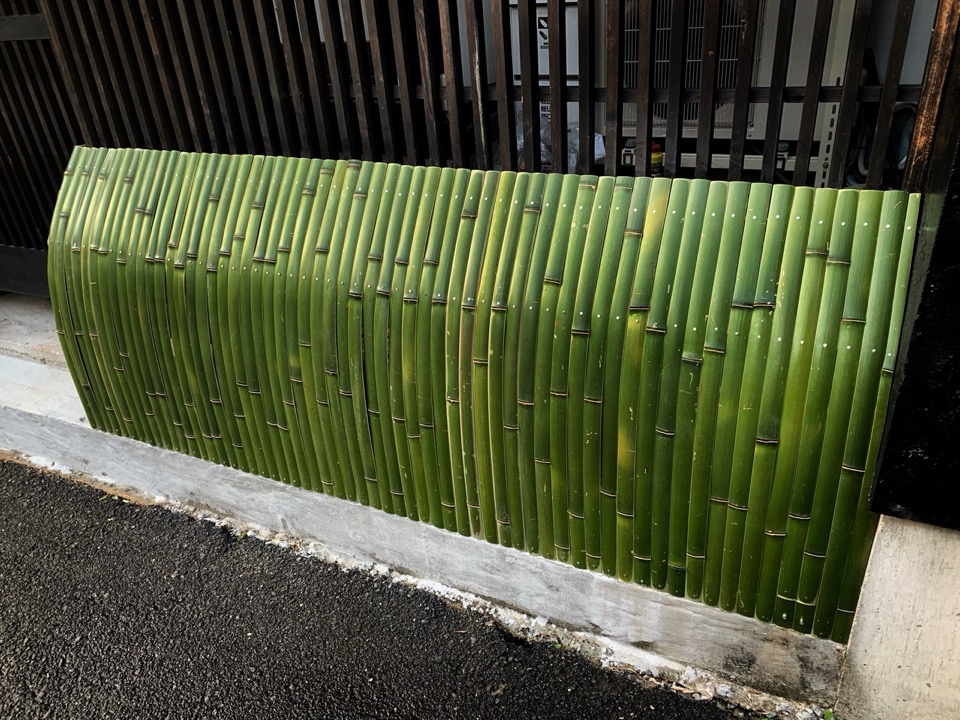
Inuyarai
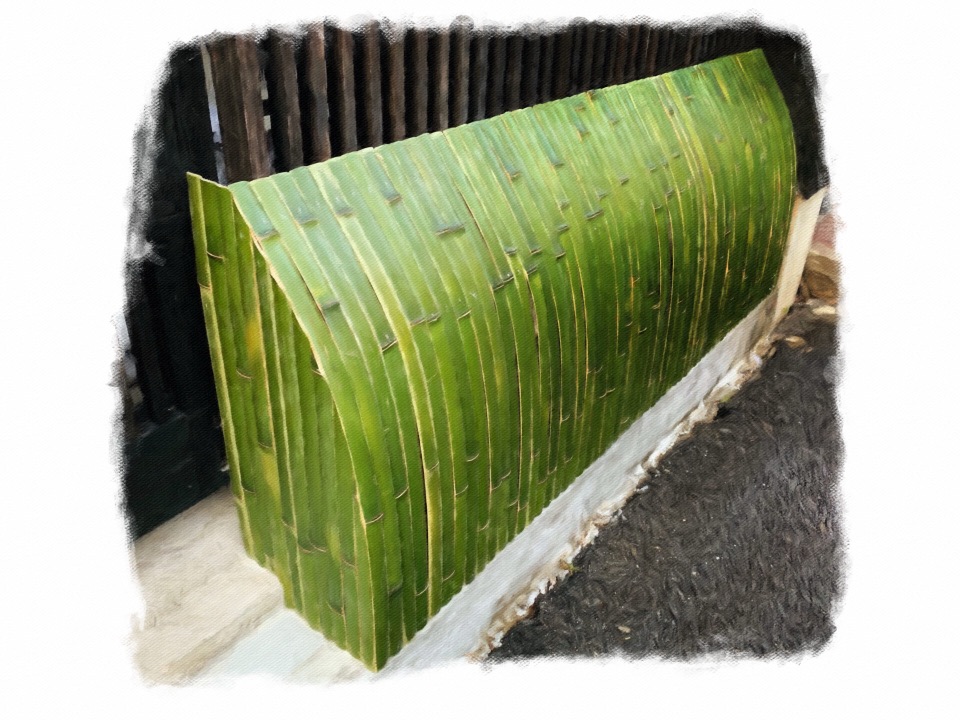
The inuyarai, a slanted lattice of wooden or bamboo slats, has been a hallmark of Kyoto’s streets for centuries, likely dating back to the Edo period (1603–1868). These protective barriers, often seen at the base of traditional machiya townhouses, were designed to shield homes from the grime of the narrow streets. When the rains came, the slats kept mud and water from splashing onto the delicate plaster walls, and deterred animals from soiling or scratching at the surfaces.
Beyond their practicality, the inuyarai reflects the refined aesthetic of Kyoto’s architecture, where natural materials and harmonious design reign. The scent of weathered wood and the soft creak of bamboo underfoot evoke a deep connection to the past. Walking through the streets of Kyoto, with these lattices lining the fronts of old homes, you sense the city’s careful preservation of its heritage—a nod to a time when the balance between beauty and function was paramount.
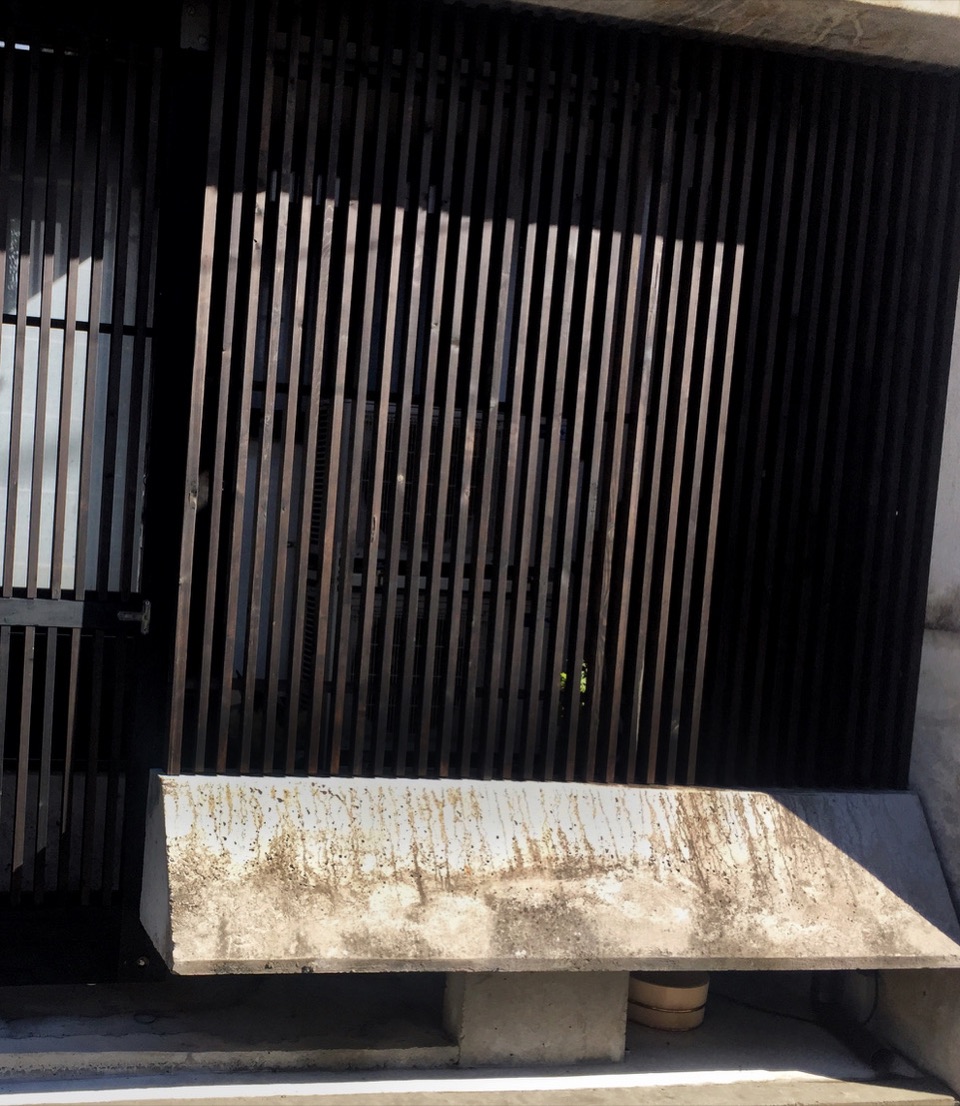
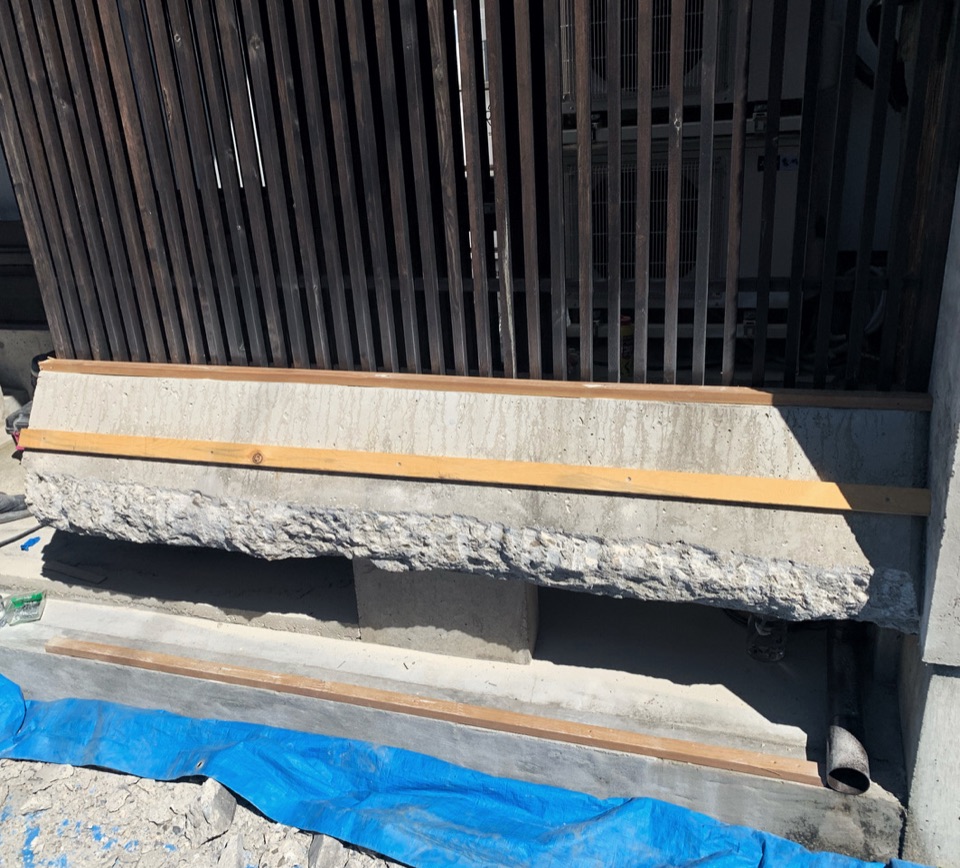
Initially, the house came with a cement inuyarai that came from an architectural movement I jokingly called “Kyoto-Brutalism.”
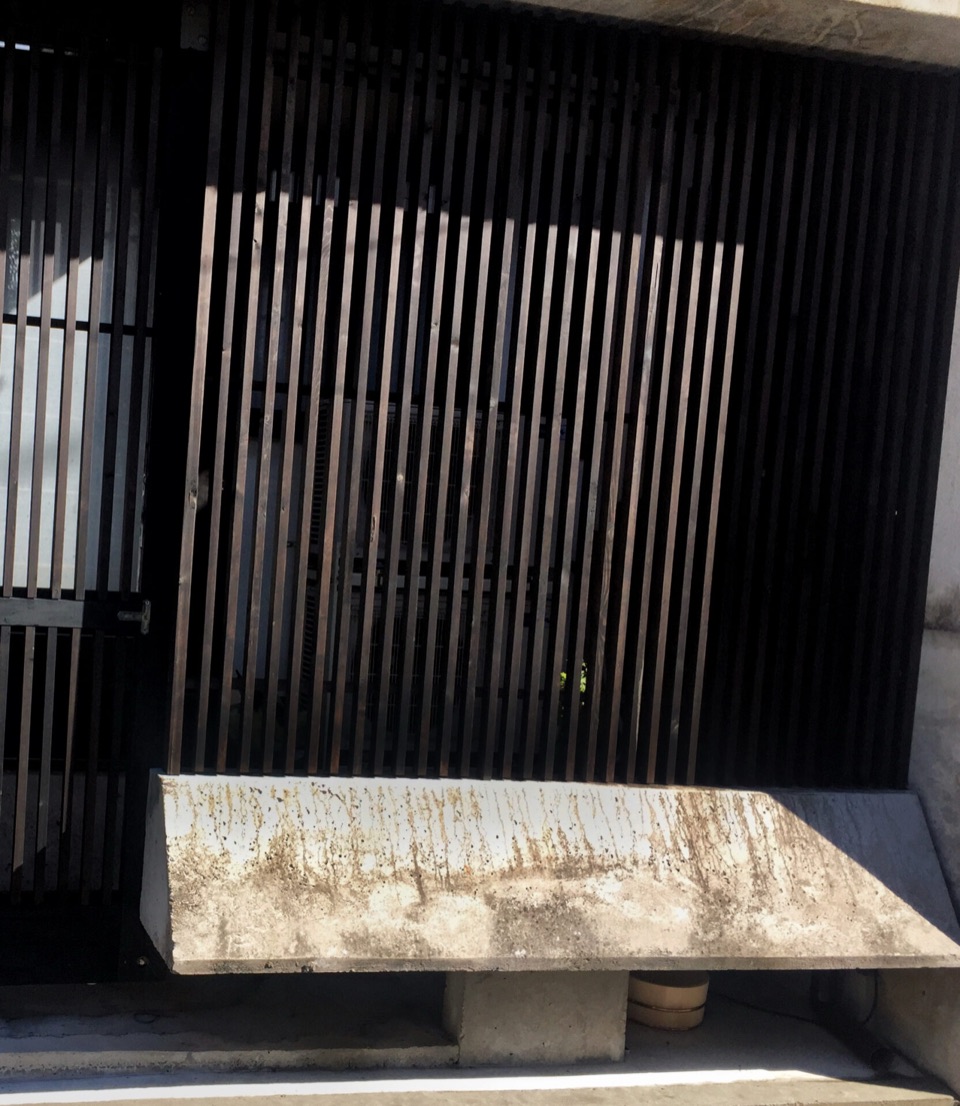
I had the idea of chipping off the edge and using the rest of the structure for support. If the inuyarai artist took any issue with this unconventional approach, he didn’t protest. Actually, it worked beautifully.
Fresh bamboo from Arashiyama was carefully trimmed to
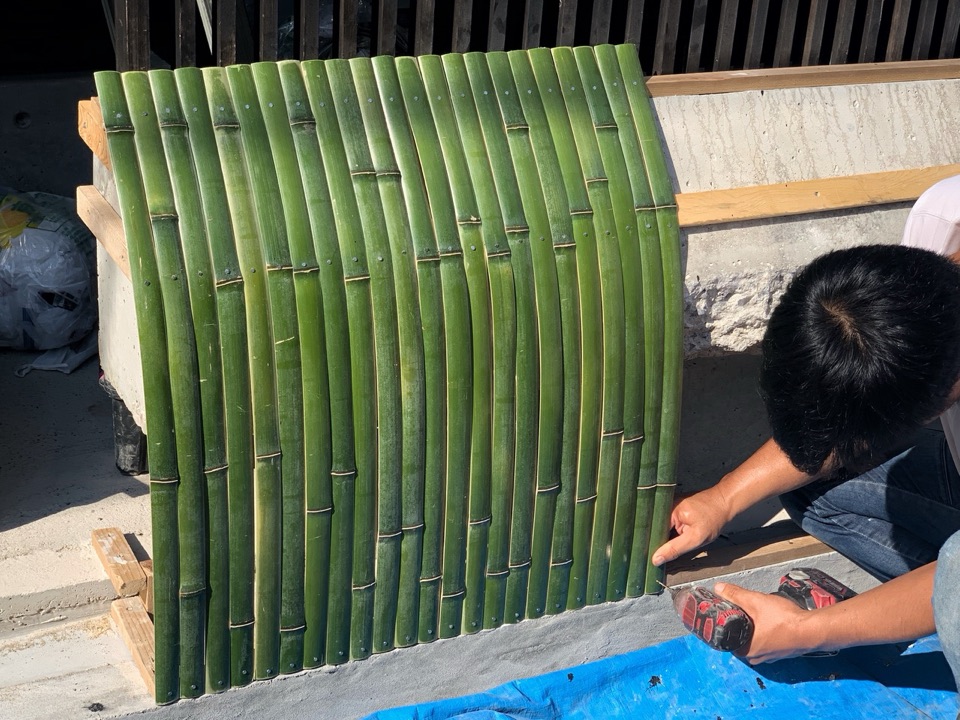
We’re one step closer to restoring the traditional look of our machiya.